Extending the Pipeline: The ERWC-ELD Middle School Curriculum

By Robby Ching and Debra Boggs
  • Should technology be used as a solution to problems in nature?
  • What are some dangers of the metaverse, especially for young people?
  • What are the stories only I can tell the world? 
  • How is plastic pollution affecting us and our future as individuals, communities, and globally?
  • What is the role of a citizen in addressing the wrongs of their government? 
  • How can words and images work together to communicate information or tell a story?
  • How can stories help us deal with the problems we are facing?

These are a few of the compelling questions that students grapple with as they read, discuss, and view the texts that form the basis for the new ERWC-ELD middle school modules. The modules guide students in reading complex texts across a range of genres, including novels, memoirs, graphic novels, TED Talks, interviews, and articles.

These modules are being rolled out on June 23 at the ERWC Literacy Conference in Long Beach. After that, they will be available to teachers across the state who have participated in professional learning to guide their implementation.

These modules implement the vision of the California Framework for English Language Arts (ELA) and English Language Development (ELD) and support teachers in creating instruction that meets the California Common Core Standards (CCCS) and the California ELD Standards. The modules are designed for ELA with Integrated ELD classes linked to Designated ELD classes but are adaptable for ELA only or ELD only classes. They are also intended to be customized depending on the teaching situation and the place students are in their literacy development.

The modules include whole books and shorter texts that raise complex issues and employ complex language. Recognizing that students require guidance and support as they learn to make meaning of these texts, module writers have built in a variety of scaffolds to ensure that all students, including English learner (EL) students, build their reading stamina and productively with the texts that are central to the modules. Students practice applying the strategies of expert readers to understand and analyze these texts and then create texts of their own, producing many of the genres they have experienced as readers. They collaborate to produce a TED Talk, write a micro-memoir, produce a slide show with presenter notes, deliver a speech at a climate summit, and create an infographic.

The language-focused activities in the modules foster English Learner (EL) and Multilingual Learner (ML) studentsโ€™ understanding of how English works at the word, phrase, clause, and text level while supporting disciplinary literacy growth for all students. The language-focused instruction is offered in the context of the texts students are reading as they participate in engaging and collaborative activities. Many activities implement high-impact strategies that have been shown to be especially effective in this literacy development, building studentsโ€™ awareness of how writers and presenters make choices about the language they use depending on who their intended audience is and how they hope to impact that audience.

Analyzing Mentor Texts

As they experience these modules, middle school students are introduced to the foundation of a rhetorical approach to reading, writing, and language. As part of this approach, in each module, students analyze mentor texts that model the form, the rhetorical strategies, and the language required by the culminating task. During this analysis of mentor texts, students develop a shared understanding of what is required for a specific kind of text to be successful. The teacher provides or they work together to create success criteria they can use to guide their drafting, and which can be used for peer feedback as well as grading.

Although each module reflects the expertise of its individual writers, they take a common pedagogical approach reflected in โ€œEssential Pedagogies for Integrated and Designated English Language Development in ERWC,โ€ available in the ERWC Online Community. Best practices for English Language Development suggest that students learn best by collaborating with other students, an understanding reflected in the California ELD Standards. The ERWC-ELD middle school curriculum assumes student-centered classrooms where students are constantly interacting with each other around the texts and tasks of the modules.

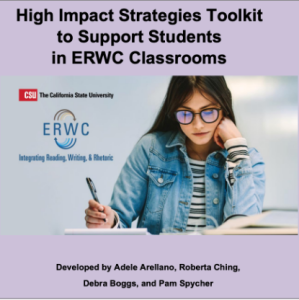
These modules do not make up an entire curriculum.  Including assignment sequences from textbooks or other sources will be needed to create a full year-long curriculum. But the rhetorical approach embedded in these modules enables middle school teachers to apply a similar approach to all the texts they teach. The High Impact Strategies Toolkit, available on the home page of the ERWC online community, provides a rich source of proven protocols to craft instruction, following the full ERWC arc from the professional text to the student text, and from rhetorical reading to rhetorical writing.
Experiencing these ERWC-ELD modules in middle school invites students to cross the threshold to becoming rhetorical readers and writers as they discover that writers create texts in particular contexts, for particular audiences to achieve particular purposes. These students will leave middle school having acquired a portfolio of reading and writing strategies to apply in their high school ERWC classes, in other academic classes, and in the wider world.

Works Cited

California Department of Education, California Common Core State Standards: English Language Arts & Literacy in History/Social Studies, Science, and Technical Subjects. Sacramento, CA: Adopted by California State Board of Education August 2010 and modified March 2013.

California Department of Education (CDE), California English Language Development Standards: Kindergarten Through Grade 12. Sacramento, CA: Adopted by California State Board of Education November 2012, CDE 2014.

Fletcher, J. (2015). Teaching arguments: Rhetorical comprehension, critique, and response. Portland, ME: Stenhouse Publishers.

The Expository Reading and Writing Course, 3rd ed. (2019). California State University Press. Long Beach CA.

–Katz, M., Graff, N., Unrau, N., Crisco, G., and Fletcher, J. โ€œThe Expository Reading and Writing Course (ERWC) Theoretical Foundations for Reading and Writing Rhetoricallyโ€ (2020).

–Ching, R., (2021). โ€œEssential Pedagogies for Integrated and Designated English Language Development in ERWC.โ€

— Arellano A., Ching, R., Boggs, D., and Spycher, P. (2021) โ€œThe High Impact Strategies Toolkit to Support Students in ERWC Classroomsโ€ in The Expository Reading and Writing Course (3.0). California State University Press. Long Beach CA.

About the Author:

Debra Boggs is a retired educator. She taught high school English and worked as a school and county office administrator. She is a member of the ERWC Steering Committee and part of the leadership team that created ERWC-ELD modules for grades 9-12. She is also currently a member of the team that created the new ERWC-ELD middle school modules for grades 6-8. 

Roberta Ching is a Professor Emerita in English at California State University, Sacramento. She coordinated the English as a Second Language program at CSUS before becoming chair of the Learning Skills Department. She was a member of the original 12th Grade Task Force and is currently a member of the team that created the new ERWC-ELD middle school modules for grades 6-8. She serves on the ERWC Steering Committee.


To learn more about ERWC or how to access this free curriculum, please visit https://writing.csusuccess.org/.

Editorโ€™s Note: The 2025 ERWC Literacy Conference will be June 23rd in Long Beach, California. Our theme this year is โ€œLeaning into Liminality: A Return to Language, Wonder, and Inspiration.โ€ Registration is free! Please visit the ERWC Online Community for more information.

Canโ€™t Read, Wonโ€™t Read

The latest NAEP reading scores suggest all the above.

By Carol Jago

Many of us had hoped that the 2024 NAEP reading assessment results would offer evidence that students had recovered from the pandemic slump and were back on track. The opposite, alas, is the case. Eighth grade students in every state scored worse in reading comprehension than they had in 2022, worse than they have in 30 years. Most alarmingly, the steepest score declines were from our lowest performing students. The gap between academic haves and have-nots has become a chasm.

The Nation’s Report Card provides data on how well students are performing in various academic subject areas.

You can view many charts and graphs of state-by-state and subgroup results. If you have tears, prepare to shed them now.

The 8th graders who were tested in 2024 are currently in our 9th grade classrooms, most likely struggling not only with reading in English but across the curriculum, including in math. Blaming the screen age is too easy. For one, we are as guilty as our students of succumbing to the temptation to substitute scrolling for deep reading. For another, these screens โ€“ and glasses and who knows what else โ€“ will become only more ubiquitous in the days to come.

Source: National Assessment Governing Board

To suggest the need for a corrective is an understatement. We need a revolutionary return to rigor. Fortunately, California State University’s ERWC modules are models of rigorous, engaging curriculum and the ERWC community is a safe place to share oneโ€™s travails. But we also need to enlist students in this work. ERWC isnโ€™t something we do to teenagers but rather a vehicle for strengthening their reading and writing muscles while engaging in challenging intellectual work. The goal isnโ€™t a completed packet; itโ€™s making rhetorical thinking a habit of mind.

To accomplish this, we need students to come to class. Every day. NAEP survey results revealed that 26% of students are chronically absent, that is, they are missing 4-5 days of school per month. When students miss this much school, they are always a bit off-balance. They can feel they are missing key pieces of the lesson. Itโ€™s a Swiss cheese experience of school.

Source: National Assessment Governing Board

The other survey data that depresses me is the news that students who score in the lowest percentiles report that they โ€œnever or hardly everโ€ read for fun. Of course, it makes sense that students who read poorly wouldnโ€™t enjoy reading. Iโ€™m a very poor swimmer and would never choose to plunge into a pool for pleasure. That said, volume matters when it comes to reading proficiency. We get good at what we do. The solution cannot be to make the books we offer students easier or funnier but rather to teach them what to do when the going gets tough. We also need to create a classroom atmosphere where independent reading is the norm and talking about that reading happens all the time.

Reading for pleasure increases a readerโ€™s background knowledge, not because the reader is taking notes but rather through osmosis. Students who read more, know more and, as a result of knowing more, find reading easier, more pleasurable. Itโ€™s a virtuous cycle. For a deeper dive into this aspect of reading comprehension, I recommend Kelly Gallagherโ€™s latest book from Heinemann, To Read Stuff, You Need to Know Stuff: Helping Students Build and Use Prior Knowledge (Heinemann 2024).

On April 24 I will be offering an ERWC webinar titled โ€œWith Rigor for All: What NAEP Reading Scores Do and Donโ€™t Tell Us.โ€ Please join me for a closer look at the Nationโ€™s Report Card. I will also be both demonstrating instructional moves that can help us move the needle and talking about new books for teenage readers.

Letโ€™s help one another rise to this challenge. The alternative is too awful to contemplate.

Carol Jago is a member of the ERWC Steering Committee and a long-time high school English teacher. She edits California English, the quarterly journal of the California Association of Teachers of English.


Editor’s Note: The 2025 ERWC Literacy Conference will be June 23rd in Long Beach, California. Our theme this year is “Leaning into Liminality: A Return to Language, Wonder, and Inspiration.” Registration is free! Please visit the ERWC Online Community for more information, including the Call for Presenters.

What Teachers Want to Know about the New ERWC Grant

By Anne Portferfield

As you may have heard, thereโ€™s a new ERWC grant opportunity! Through the Education Innovation and Research grant, California State University is developing yearlong ERWC courses for grades 9 and 10, and high school English teachers will pilot them beginning in the 2025โ€“26 school year.

I have begun meeting with teachers to discuss the grant opportunity, and some teachers are overjoyed that the new curriculum is on the way! One teacher noted that implementing the ERWC will ensure that grade 9 and 10 English courses are rigorousโ€“which is essential in this post-pandemic era. Several teachers noted that the ERWC will prepare students for the Advanced Placement English Language and Composition Course.

Teachers also have questions. Iโ€™ll start with an easy one. Almost every teacher Iโ€™ve spoken with has the same question: What will the curriculum include?

Each grade will have two thematic pathways for teachers in the grant to choose from. The grade 9 pathways will be identity and civic engagement, and the grade 10 pathways will be community and communication. The pathways will include all of the same types of modules as are available at the upper grades (i.e., portfolio, mini, issue, book, and drama). All modules will have integrated and designated ELD embedded. After the grant, grade 9 and 10 ERWC teachers will have the same flexibility to create their own DIY course design as grade 11 and 12 ERWC teachers.

Sample pathways for Grade 9 (actual course design may vary)

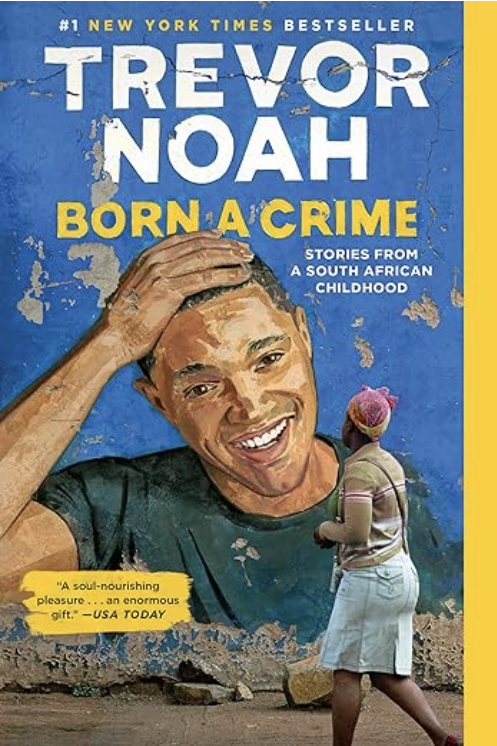
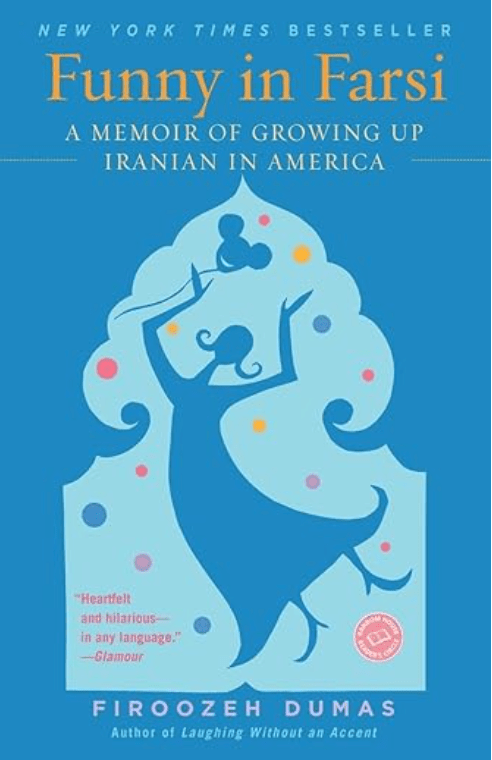
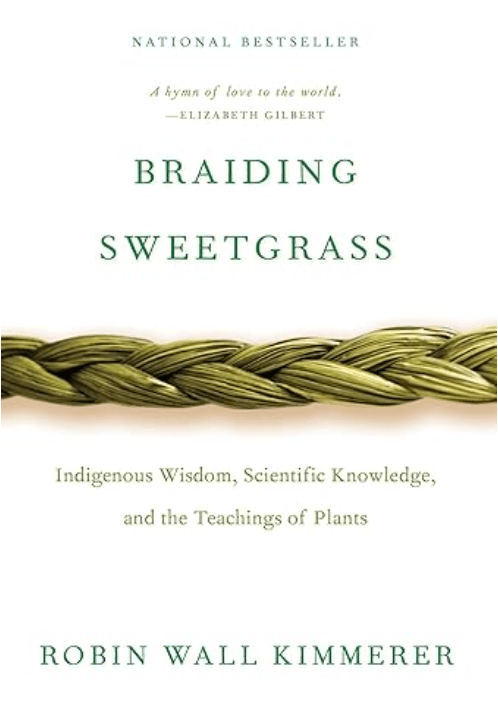
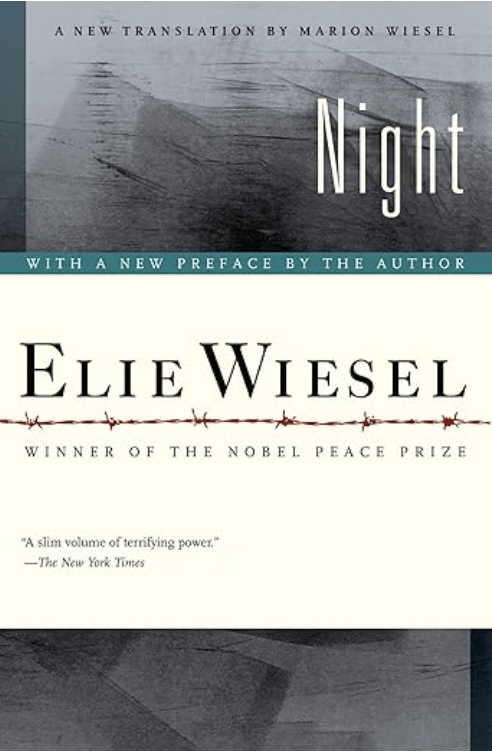
Yes, there will be a Romeo and Juliet module. No, you donโ€™t have to teach it if you donโ€™t want to! Some of the other texts being considered for the new curriculum include Born a Crime, Klara and the Sun, We Are Not Free, The Hate U Give, Funny in Farsi, Braiding Sweetgrass, Home is Not a Country, and Night. What the curriculum developers can guarantee is that texts will be highly engaging for students, which is a cornerstone of the ERWC.

Jennifer Fletcher, the Chair of the ERWC Steering Committee, shared, โ€œThe curriculum will be really good. We are going to be proud of it when we put it in front of teachers.โ€ 

Teachers also want to know what the professional learning entails. ERWC teachers will engage in 20-25 hours of professional learning every year they participate in the grant. Below are descriptions of the professional learning components of the grant:

  • Summer workshops: ERWC teachers will attend a two-day summer workshop every summer they are participating in the grant. As a former teacher, I know that summers are coveted! If your school signs up for the grant, the Fresno County Superintendent of Schools will work with you to schedule the summer institute at a time that works well. The goal is for the workshops to be in-person, but there may be some virtual options.
  • Coaching: ERWC teachers will be assigned a coach to be a thought partner. The coaches will be professors, literacy specialists, experienced ERWC trainers, etc. Teachers will engage in five coaching sessions, which will include a pre-conversation, a classroom observation, and a reflection conversation. The coaching sessions will not be evaluative, and no information will be reported back to your district.
  • Community of practice meetings: ERWC teachers will attend five 1-hour community of practice meetings. These can take place at the school site during already-scheduled meeting time.

Teachers also have questions about stipends. As a former teacher, I remember spending countless hours doing work that I was not compensated for. We want teachers who are part of this grant to feel valued! Hereโ€™s more information about the stipends:

  • Each ERWC teacher will receive $4,000 totalโ€“$2,000 for the pilot year and $2,000 for the evaluation year. If a teacher teaches the ERWC in both grades 9 and 10, they will receive $8,000 total ($4,000 per grade).
  • Each traditional English teacher will receive $1,000 total during the evaluation year.
  • Each school will identify a site lead, who will be responsible for communicating information about the grant. They will receive $3,000 totalโ€“$1,000 for each year of the study.
  • The $20,000 school stipend is intended to be used to support ERWC teachers. In the past ERWC grants, schools have used this stipend to purchase copies of books for every student, pay teachers their hourly/daily rates for attending professional learning, provide subs for professional learning days, etc.
  • Districts usually keep the $5,000 stipend to offset the cost of providing WestEd with student-level data.

The ERWC and traditional teacher stipends will be paid directly to teachers by WestEd. The site lead stipend will be paid directly to site leads by the California State University. The school stipend will be paid to the district, and the district will make the money available to the schools.

In addition to these stipends, schools and teachers also receive all the materials they need to implement the new curriculum, including class sets of books for book modules.

There have also been some questions about scheduling throughout the grant. Schools need the following teachers in place each year of the grant:

 2025โ€“262026โ€“272027โ€“28
Grade 9Pilot Year At least two teachers pilot the ERWC   At least one teacher continues to use the regular curriculumEvaluation Year The same two teachers as the previous year teach the ERWC   At least one teacher continues to use the regular curriculum 
Grade 10 Pilot Year At least two teachers pilot the ERWC   At least one teacher continues to use the regular curriculumEvaluation Year The same two teachers as the previous year teach the ERWC   At least one teacher continues to use the regular curriculum

And lastly, teachers want to know how they can sign their schools up for the grant. The first step is to meet with me! Please feel free to email me to set up a meeting (anne.porterfield@wested.org). We would discuss the details of the grant, and I would address any lingering questions. If it seems like the grant may work at your school, we would then share information about the grant with other teachers at your school, school administrators, and district administrators. If all parties agree to participate, then WestEd would set up a memorandum of understanding with your district.

You may also learn more about the grant in an upcoming webinar on Monday, October 21st at 4pm PT. You may register for the information session here.

Anne Porterfield is a Senior Program Associate with Research-Practice Partnerships. She serves as both a project manager and qualitative researcher for projects and evaluations.

The ERWC Portfolio

By Lori Campbell

Spring is the bittersweet season when our ERWC students prepare their portfolios for the transition to college. I have the privilege of keeping many of my students for two or more years in the Kern Learn blended program, so I have been able to track their growth through the two pathways in grades 11 and 12. I can see their accomplishments, but they donโ€™t necessarily see what I see. The ERWC portfolio is an important benchmark for students rather than their teachers.

In Kern County, through the Building Bridges Conference, English and composition teachers from the Kern High School District, the various community colleges in our area, and Cal State Bakersfield come together to reflect on various issues in literacy for the students we serve. In one of the sessions, I attended an excellent presentation that explained the freshman composition requirements for these institutions and gave me insight into just how important that portfolio is. Hereโ€™s how I explained it to my seniors.

Students benefit most by having a basic understanding of rhetorical reading and writing when they enter college. The General Education composition requirement instructs students in effective research and report writing. However, having a toolkit of rhetorical strategies for tackling difficult academic texts aids tremendously in their courses to succeed in research.

This is what ERWC provides at the high school level. The portfolio shows students how these tools have helped them navigate and understand these texts over the past year (or two!). They have examples of rhetorical strategies and a record of how they work. At CSU Bakersfield, first-year college students who still feel they have not mastered these skills can take the โ€œStretchโ€ course (English 1100), which lasts a full year and provides a booster of rhetorical strategies in their first semester. If they believe they have met their learning goals in ERWC, they can move with confidence directly into the single-semester course for research skills.

Grade 12 ERWC Portfolio Module Overview

ERWC is not just for students who are CSU-bound. Students engage in rhetorical reading and writing no matter the higher education venue they choose. Our community colleges provide practice in these skills in the first semester of their college composition classes (whether they have taken ERWC or not). Entering students can pay to take a challenge assessment to test out of that course, but they are still required to demonstrate the ability to engage in inquiry, read purposefully, and write rhetorically. Looking through the work they have completed throughout the modules, students can evaluate their preparedness for college reading and writing, regardless of their destination.
Working with seniors in spring is like herding kittens in a dust storm. They have become skittish, forgetful, and just a little terrified. The ERWC portfolio shows them concrete evidence of their college readiness like no other indicator. Scores on tests tell them how well they can take tests. The ERWC portfolio shows students what they are capable of doing. This important collection of documents serves as a resource students can consult as they navigate the next step in their academic journey.

The takeaway learning contained in the ERWC portfolio is too important to leave behind.

Loriย Campbellย is the English department chair for Kern High School Districtโ€™s Kern Learn Program. This is a complete distance learning program that provides students the option to take their A-G required courses online. She has taught ERWC both face-to-face and through distance learning for over 10 years. Lori holds her masterโ€™s degree in Curriculum and Instruction.

ERWC Awarded $15 Million Grant!

The Expository Reading and Writing Curriculum (ERWC) steering committee is thrilled to announce a 15 million dollar Education, Innovation and Research (EIR) grant awarded to the Fresno County Superintendent of Schools (FCSS). The grant,ย Reading and Writing for College and Career Success: Expanding the Reach of the Expository Reading and Writing Curriculum,ย was awarded to expand and enhance ERWC with a primary focus on Integrated and Designated ELD for 9thย and 10thย grades. Theย CSUย is pleased to partner with WestEd and Fresno CSS on this exciting opportunity to provide new curriculumย for the 9thย and 10thย grade with an emphasis on helping students develop excellent literacy and language skills.

The proposed project will establish leadership teams at state levels, develop high-quality curriculum to expand ERWC, refine course pedagogy, and scale and implement robust professional learning. Additionally, the project will validate the success of the ERWC through rigorous research and understand the cost effectiveness of implementing ERWC throughout high school. The expected outcomes are for students assigned to an ERWC course to score higher on a standardized assessment and to score at least 10% higher on measures of academic motivation than students enrolled in comparison English courses.

To improve the literacy and language skills of high school students, particularly high-need students, the Expository Reading and Writing Curriculum (ERWC) was developed 20 years agoย through an important collaboration between college professors and high school teachers and administrators.ย 

The curriculum, which aligns with the California Standards for English Language Arts and English Language Development, is currently being taught in about 1000 high schools across the state, is available for free, and comes with free online, in-person and hybrid professional development opportunities for teachers. Teachers who complete aย required professional development workshop get certified to teach the curriculum, which grants them lifetime access to the curriculum through the ERWC Community website.ย 

In recent years, ERWC has also spread to several other states, including Hawaii, Washington, New Mexico, and West Virginia. Hawaii, New Mexico, and Washington State will partner with the CSU, WestEd, and Fresno CSS for the new 5-year EIR grant.

The spread of the ERWC has been aided by an Investing in Innovation (i3) Development grant awarded in 2010. Rigorous research over the past decade has found that the ERWC improves studentsโ€™ English language arts (ELA)/literacy achievement. In 2015, a quasi-experimental study found that the ERWC improved grade 12 studentsโ€™ performance on the English Placement Test (EPT), which was the standardized placement exam used by the California State University (CSU) system to place incoming first year college studentsย into either a credit-bearing English course or a remedial English course. Moreover, theย ERWC program has been recognized by the U.S. Department of Educationโ€™s What Works Clearinghouse (WWC) as effective in meeting its highest evidence-based standards in its review of the 2022 report, “Expanding the Expository Reading and Writing Curriculum: An Evaluation of an Investing in Innovation Validation Grant.”

The third edition of the curriculum, funded in 2016 by an i3 Validation grant, comprises full-year college preparatory English courses for grades 11 and 12 students. Teachers and schools build and personalize the yearlong courses by selecting from approximately 30 modules per grade level to meet rigorous, college-preparatory learning goals in reading, writing, listening, and speaking, while promoting student interest and motivation. 

The core structure of all of the modulesโ€”the Assignment Template progresses along an โ€œarcโ€ from reading rhetorically (preparing to read, reading purposefully, and questioning the text) to preparing to respond (discovering what you think) to writing rhetorically (composing a draft, revising rhetorically, and editing). The Assignment Template embodies the ERWCโ€™s core ideas and practices: reading and writing rhetorically, the transfer of learning, the cultivation of expert learners, and language exploration and awareness. The repeated turns that students take through the Assignment Template over the course of a year afford them frequent opportunities to internalize the rhetorical literacy skills, language resources, and academic habits of mind that are essential to postsecondary success.

We, the members of the ERWC community, are extremely excited by this opportunity. If you are interested in being part of the pilot at the 9thย and 10thย grades, please contact Lisa Benham at Fresno County Office of Educationย lbenham@fcoe.org.


Upcoming Webinar with Troy Hicks!

Interested in using technology more effectively in the classroom? In this ERWC webinar, Troy Hicks–an ISTE Certified Educator–will introduce “‘digital diligence’–an alert, intentional stance that helps both teachers and students use technology productively, ethically, and responsibly.” Hear his strategies for minimizing digital distraction, fostering civil conversations, evaluating information on the internet, creating meaningful digital writing, and deeply engaging with multimedia texts.

Registration is free.


Save the Date!

The 2024 ERWC Literacy Conferences will be held June 17 in Sacramento and June 25 in Pomona. Registration opens in March.


ERWC at CATE 2024 in Los Angeles

ERWC is hosting a reception for ERWC and ERWC-curious teachers on Saturday, March 2, 2024 at 5:30 pm in the Jetway room at the Hyatt Regency LAX. Light refreshments will be served. Meet with colleagues and enter for a chance to win door prizes, including books and ERWC swag.

Upcoming ERWC Webinar with Antero Garcia!


Editorโ€™s Note:
 ERWC is delighted to announce a free webinar with Antero Garcia on Thursday, January 18th at 4:30 pm PST. Antero is an Associate Professor in the Graduate School of Education at Stanford University and Vice President of the National Council of Teachers of English. A former English teacher at a public high school in South Central Los Angeles, Antero’s research explores the possibilities of speculative imagination and healing in educational research. He has authored or edited more than a dozen books about the possibilities of literacies, play, and civics in transforming schooling in America. His new book, co-authored with Ernest Morrell, is Tuned-In Teaching: Centering Youth Culture for an Active and Just Classroom.

Register for Antero’s webinar here.


By Chris Lewis, Ph.D.

In 2015, I was deep in my dissertation research, floundering in theory about utopian philosophy and feverishly re-reading M.T. Andersonโ€™s brilliant young adult novel Feed.

As part of my study, I was working with a group of high school seniors reading dystopian novels and talking about youth civic engagement and participation in resistance movements. There had been an increase in dystopian fiction being published for young readers, and I wondered what they were thinking when young characters overthrew the oppressive systems in their respective societies.

I was fortunate to come across Antero Garciaโ€™s (2013) Critical Foundations in Young Adult Literature: Challenging Genres, where he discussed an essential element in all of young adult dystopian (also a feature of many fairy tales) where the adults/parents are incapable of maintaining the society they built. Antero argued,

“It is a powerful transfer of responsibility found in these books: adults cannot rectify the past nor can they correct the future. It is up to the students in our classrooms-the students reading these books-to transform society for the better. YA, then, if we are to look for a unifying message across the books, is about teaching youth to grow up and own the future.”

(Garcia 133)

The youth participants in my study agreed with Anteroโ€™s assessment throughout their own reflections, noting how the effect of youth-led movements would lead to a more inclusive future and how contemporary classrooms may not be preparing them for this important work. 

In the years since my defense, where Antero was a member of my dissertation committee, his scholarship has focused on the importance of youth voice, civic engagement, and humanizing education. His writing continues to inspire me and helps me think through the complexities educators face when youth express their disillusionment in turbulent political times. I am constantly reminded how, without constant reflection on pedagogy and practice, educators might inadvertently disempower youth through our curricular choices or the systems we put in place. 

We need more classrooms to be spaces of incubation where our studentsโ€™ ideas, however outlandish they may seem through an adult lens, have space to grow and flourish. And while there will be times where youth feel helpless and fearful, there is power in radical hope. Anteroโ€™s research provides essential practices where teachers and students can engage in this kind of learning that just might change the world for the better.

Interested in some more reading on these topics, check out:

Cammarota, J., & Fine, M. (2008). Revolutionizing education: Youth participatory action research in motion. New York, NY: Routledge.

Freire, P. (1998). Pedagogy of freedom: Ethics, democracy, and civic courage. Lanham, MD: Rowan & Littlefield Publishers.

Hogg, L., Stockbridge, K., Achieng-Evensen, C, & SooHoo, S. (2021). Pedagogies of with-ness: Students, teachers, voice and agency. Myers Education Press.

Mirra, N., & Garcia, A. (2023). Civics for the world to come: Committing to democracy in every classroom. W. W. Norton.

Mirra, N., Garcia, A., & Morrell, E. (2016). Doing youth participatory action research; Transforming inquiry with researchers, educators, and students. Routledge.


Chris Lewis is a TOSA supporting ELs and a part-time lecturer for a graduate education program. He also serves as the ERWC Social Media Coordinator. His publications include two chapters in Pedagogies of With-ness : Students, Teachers, Voice and Agency: “Who is Listening to Student?” and “Finding Hope Through Dystopian Fiction.” You can follow Chris @chrislewis_10.


Save the Date!

The 2024 ERWC Literacy Conferences will be held June 17 in Northern California and June 25 in Southern California. Please make your calendar. All are welcome!


ERWC 2023-24 Literacy Webinar Series:

In the Classroom

All webinars are scheduled for 4:30 pm on a Thursday. Registration is free. Connect with your ERWC colleagues, enjoy top-quality professional learning, and hear ERWC updates.

Antero Garcia: January 18, 2024 at 4:30 pm PST

“Building Student Engagement”

Does your classroom ever feel stuck, or out-of-tune? Meaningful teaching is something educators strive for each day. Educators also know that there is no such thing as a perfect classroom. Despite our best intentions, our classrooms sometimes feel like they’re stuck, or out of tune. In this webinar, Antero Garcia will explain why we should allow students to play an integral role in turning classrooms into spaces for greater engagement and innovation.

Troy Hicks: February 15, 2024 at 4:30 pm PST
โ€œTeaching with Technologyโ€

Interested in using technology more effectively in the classroom? In this webinar, Troy Hicksโ€“an ISTE Certified Educatorโ€“will introduce โ€œdigital diligenceโ€โ€“an alert, intentional stance that helps both teachers and students use technology productively, ethically, and responsibly. Hear his strategies for minimizing digital distraction, fostering civil conversations, evaluating information on the internet, creating meaningful digital writing, and deeply engaging with multimedia texts.


Looking for an ERWC Workshop?

Find upcoming in-person or virtual ERWC professional learning sessions. ERWC workshops are free to teachers in California!

Please contact Dr. Lisa Benham at lbenhan@fcoe.org for information on ERWC professional learning services outside of California.

The Bias that Divides Us

Review of Get Free: Antibias Literacy Instruction for Stronger Readers, Writers, and Thinkers by Tricia Ebarvia

By Carol Jago

Are you looking for a book to spark fresh conversation in your English Department or PLC? Tricia Ebarvia invites readers to reexamine many practices that we take for granted as beneficial. For example, asking us, many of whom give up every lunch hour and stay long after school to help students, โ€œWhom are we not helping?โ€ That question hit me hard.

Every assertion Ebarvia makes is supported by research. She cites Daniel Kahnemanโ€™s work in Thinking, Fast and Slow in which the eminent psychologist describes experiments where he demonstrated how people were disproportionally and unknowingly influenced by a single piece of information, often the first piece of information presented given to them to solve a problem. I could not help but think about assumptions I had made about students that deserved much greater attention. I know you are thinking about how you have 36 kids in your fifth-period class and a student load of 180, but that doesnโ€™t change what individual students deserve. Ebarvia asks, โ€œHow many troublemakers are simply students who are least like us?โ€

Along with posing questions that challenge the status quo, the book offers an extraordinary list of essays to use as mentor texts for student writing. The extensive list is organized by topics such as: Our Bodies, Ourselves (โ€œThe Clan of the One-Breasted Womenโ€ by Terry Tempest Williams), Falling in Love (โ€œWhat We Hunger Forโ€ by Roxane Gay), and What Keeps You Up at Night (โ€œDifficult Girlโ€ by Lena Dunham). Ebarviaโ€™s suggestions are excellent and abundant. This is a treasure trove for anyone looking to refresh curriculum.

Art by Gian Wong

A fascinating feature of the book is the authorโ€™s note on the artwork that appears throughout the text. The artist Gian Wong designed patterns and images inspired by traditional ethnic textiles and Filipino culture. On many pages Maya birds, indigenous to the Philippines, break free in flight.

Get Free is also a practical guide for supporting students as they encounter rich, challenging texts, discovering along the way what they have to say about the provocative ideas of others. A chapter on classroom discussion, โ€œSetting the Table for Radical Openness in Our Conversation,โ€ offers suggestions for navigating choppy waters. I predict that this book will disrupt how you think about your work with students. It did for me.

“The Philippine Sun” by Gian Wong. Description from Get Free: The Philippine sun (“araw”) symbolizes the spark and light in each individual that makes them unique.

Carol Jago is a long-time high school English teacher and past president of the National Council of Teachers of English. She is associate director of the California Reading and Literature Project at UCLA and serves on the International Literacy Association board of directors. She is the author of The Book in Question: Why and How Reading Is in Crisis and can be reached at cjago@caroljago.com.

Editor’s Note: If you’ll be traveling to Columbus, OH for the 2023 NCTE Convention, you can see Carol Jago in person at her session on Friday, November 17th at 2:00 p.m.


Please see the recording of Tricia Ebarvia’s webinar for the ERWC Community from 2021 for more information on antibias literacy instruction. You can find the recording in the ERWC Webinar Series.

The next ERWC webinar will be Thursday, November 16th at 4:30 p.m. Pacific Time with Marc Watkins, a leading researcher in classroom applications for generative AI. Marc is an academic innovation fellow at the University of Mississippi. In this special webinar, Marc will explore best practices in teaching students AI literacy, AI assistance, and AI aptitude. Registration is free.

Upcoming ERWC Webinar with Kelly Gallagher!

Editor’s Note: ERWC is excited to announce a free webinar with Kelly Gallagher on Thursday, September 21st at 4:30 pm. Please visit the ERWC Online Community for details and registration.


By Jennifer Fletcher

In the summer of 2022, the National Council of Teachers of English published a new statement on writing instruction in school. The statement opens with a line Iโ€™ve been thinking about ever since I first read it: โ€œHow writing is conceptualized has consequences.โ€

For many teachers, myself included, there can be a disconnect between intention and impact. We want to help and support our students. But sometimes the ways we try to help can harm our studentsโ€™ self-efficacy. Scaffolds that aren’t designed with student agency in mind can become barriers to growth and independence. Agency is about choice and control–two things adolescent learners are often denied.

Kelly Gallagher has long been one of my favorite mentors for helping me get out of the way of students’ learning. His book Readicide was a revelation. It showed me that the surest paths to a love of reading were through choice and volume, and not through accountability, compliance, and over-teaching. Gallagher’s Write Like This was another gift that helped me check my teacher ego, showing me that the best mentors for my students were other writers.

For over two decades, Kelly has been one of our profession’s strongest advocates for student agency. His most recent book with Penny Kittle, 4 Essential Studies: Beliefs and Practices to Reclaim Student Agency, transforms the principles behind cultivating independent learners into everyday practice. Kelly and Penny describe the harm caused by formulaic writing instruction through examples and research that will resonate with teachers experienced in ERWC’s inquiry-based, rhetorical approach.

The way to get better at making choices as readers, writers, and learners, of course, is lots of practice making choices. That doesn’t happen when students are just handed a template to fill in or outline to follow. As Kelly and Penny note in 4 Essential Studies, โ€œCompleting teacher-generated step-by-step work is not learning; it masquerades as itโ€ (xx).

For me, one of the biggest takeways from Kelly Gallagher’s work is how the choices we make as teachers impact the choices our students have as learners.

How writing is conceptualized indeed has consequences. If writing is conceptualized as a straight and narrow road laid out by teachers, students donโ€™t see the full array of options that characterize authentic rhetorical situations. The journey toward expertise is full of obstacles and opportunities–what rhetoricians call constraints and affordances. Having the freedom to choose is ultimately how we find our way as writers.

Jennifer Fletcher is a Professor of English at California State University, Monterey Bay and a former high school teacher. She serves as the Chair of the ERWC Steering Committee. You can follow her on Twitter @JenJFletcher.

Work Cited

Kittle, Penny and Kelly Gallagher. Four Essential Studies: Beliefs and Practices to Reclaim Student Agency. Heinemann, 2021.


ERWC 2023-24 Literacy Webinar Series

All webinars are scheduled for 4:30 pm on a Thursday.

Kelly Gallagher: September 21, 2023 at 4:30 pm
“Kelly Gallagher Presents”

The ERWC 2023-24 webinar series kicks off with a very special guest. In conjunction with the CSU Chancellor’s Office, ERWC is proud to welcome Kelly Gallagher to our webinar community. Gallagher will offer insights into a variety of issues confronting classroom teachers today including some featured in his recent book 180 Days: Two Teachers and their Quest to Engage and Empower Adolescents. This is a webinar you do not want to miss!


Felicia Rose-Chavez: October 19, 2023 at 4:30 pm
“The Anti-Racist Writing Workshop: Decolonize Your Classroom”

The fall 2023 webinar series continues with an exciting presentation from Felicia Rose-Chavez who will present “a new approach for a new millennium–a blueprint for a twenty-first-century writing workshop that concedes the humanity of people of color so that we may raise our voices in vote for love over hate.” This session will include select readings from Rose-Chavez’s book The Anti-Racist Writing Workshop: How To Decolonize the Creative Classroom. Can’t wait to see you there!


Troy Hicks: February 15, 2024 at 4:30 pm
“Teaching with Technology”

Interested in using technology more effectively in the classroom? In this webinar, Troy Hicks–an ISTE Certified Educator–will introduce “digital diligence”–an alert, intentional stance that helps both teachers and students use technology productively, ethically, and responsibly. Hear his strategies for minimizing digital distraction, fostering civil conversations, evaluating information on the internet, creating meaningful digital writing, and deeply engaging with multimedia texts.


Looking for an ERWC workshop?

Find upcoming in-person or virtual ERWC professional learning sessions. ERWC workshops are free to teachers in California!

20th Anniversary Message Board

This summer ERWC is celebrating two decades as a literacy initiative. As part of the anniversary festivities, we’ve been collecting congratulatory messages from some of our favorite educational leaders, including Kelly Gallagher, Carol Jago, Jim Burke, Gerald Graff, Cathy Birkenstein, Trevor Aleo, Matthew Johnson, and Carol Booth Olson.

Continue reading to see what esteemed colleagues and mentors have to say about the impact of the ERWC community. And if you’d like to add your own anniversary message to the collection, please use the comment box at the end of this post. So pop the confetti and join the celebration!


Congratulations to the ERWC community on your 20th year anniversary! I have much appreciation for all you have done to position all students for success as they transition to the Cal State University system. I know many of my students benefited from your hard work and dedication. Your work is making a difference and is deeply appreciated. Again, congratulations, and hereโ€™s to the next generation of students who will benefit from your efforts.

Kelly Gallagher, author of Deeper Reading, Write Like This, and Readicide; co-author of 180 Days

Dear ERWC Leadership and Community:

ERWC changed everything for those fortunate to go through the trainings in the earliest days, often at county offices but always with teachers who were deeply committed to teaching what our credential programs seemed never to get around to before we entered the profession: teaching kids how to read, write, and think as needed to get into and succeed at college. And on top of all this instruction in teaching these academic literacies, ERWC provided us all a community of equally committed professionals, led by those remarkable educators who had the vision for what the ERWC could be and why it needed to be! Ever grateful to all those who contributed much to our collective growth and my own personal improvement as an English teacher.

Jim Burke, author of The Six Academic Writing Assignments, The English Teacherโ€™s Companion, and Writing Reminders

Matthew Johnson, author of Flash Feedback: Responding to Student Writing Better and Faster–Without Burning Out

Over the course of two decades ERWC has held true to its belief in the power of literacy to change lives, and the world, for the better. ERWC’s impact has been made possible by the collective blood, sweat, and tears of everyone in this community. Much has been achieved. Much remains to be done. Happy anniversary to us!

Carol Jago, author of The Book in Question and With Rigor for All

Happy Anniversary to the ERWC family from Gerald Graff and Cathy Birkenstein. Thank you for all you do to help students join academic conversations with skill and confidence!

Best,
Jerry and Cathy

Trevor Aleo, Co-Author of Learning That Transfers: Designing Curriculum for a Changing World

Warmest congratulations and happy 20th anniversary to the ERWC community from the editorial group at W.W. Norton! We admire and applaud your two decades of helping students become close readers and confident writers.

Sarah Touborg
Editor & Vice President at W. W. Norton & Company, Inc.

As I look back at ERWC for the last 20 years, I am struck by how it has totally exceeded my expectations. I joined the ERWC team in 2006 when I came to the Chancellor’s Office as an Associate Director. At that time, we were working on the 2nd edition, and I remember going to many of the professional learnings throughout the state to learn about the program. I was struck by the dedication and commitment of the teachers and professors involved and the innovations they were implementing. It was incredible back thenโ€ฆand then came the I3 Grants, the validation studies, the 3rd edition, and national recognition and I must say, it has totally exceeded my expectations. The impact has been far-reaching and I am looking forward to the next 20 years to see where we can go with this innovation as the CSU emerges as a national leader.

Zee Cline
CSU Chancellor’s Office
CAPP Director


My warm congratulations to the ERWC community–our CSU faculty and high school teachers–on your 20th anniversary! The ERWC curriculum and programming has had a deep impact on the preparation of hundreds of thousands of young people in CA and across the country to be successful in college. The California State University, Chancellorโ€™s Office is so proud of ERWCโ€™s accomplishments as it has evolved over these 20 years

Shireen Pavri, Ph.D.
Assistant Vice Chancellor,
Educator & Leadership Programs
Academic & Student Affairs

Carol Booth Olson, Director of the National WRITE Center at the University of California, Irvine

A Visit to the Vaults: Opening the ERWC Archive

EDITOR’S NOTE: Registration for the 2023 ERWC Literacy Conference closes on Monday, May 22. Reserve your spot now before this event sells out!


By Jennifer Fletcher

Like In-N-Out Burgerโ€™s โ€œsecretโ€ menu, the ERWC Module Archive offers special options for those in-the-know. Roughly 100 modules have been published over the 20 years of ERWCโ€™s history as a nationally recognized literacy initiative, including dozens of modules in versions 1.0 and 2.0.

There are some terrific first and second edition ERWC modules still available for use. While these modules no longer include the module texts (copyright costs prevent Cal State from renewing permissions for all three editions of the curriculum), most of the reading selections can still easily be found online through their original publishers. For instance, โ€œThe Last Meow,โ€ a module about the rising costs of veterinary care, uses a feature article in The New Yorker while โ€œThe Undercover Parent,โ€ a module about spyware, uses an op-ed piece from The New York Times.

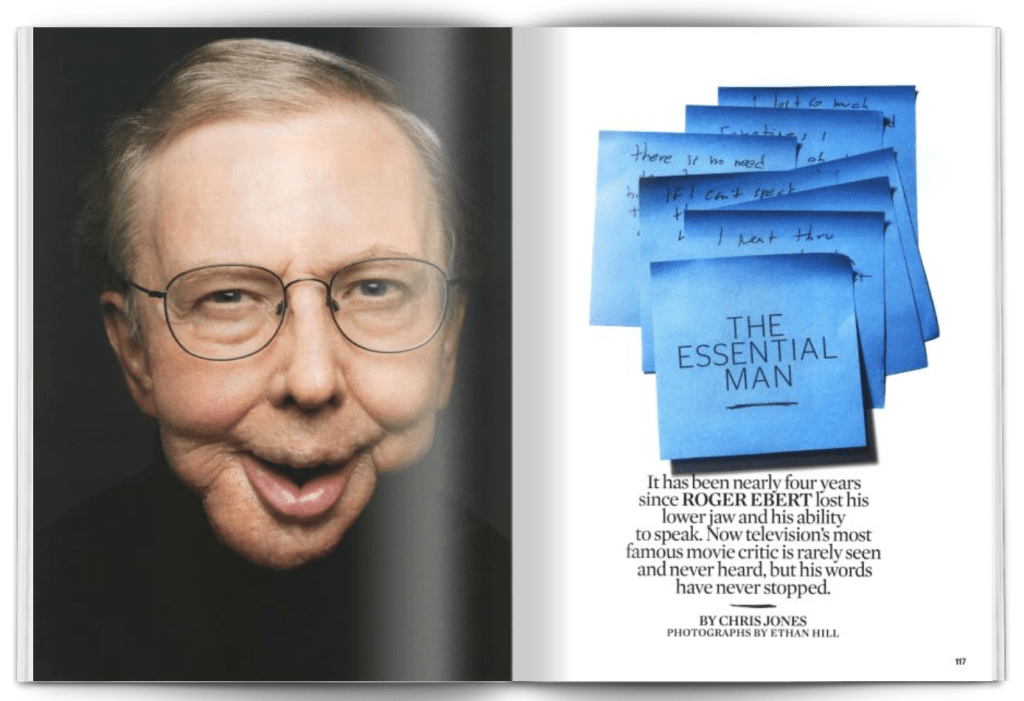
For those of us who have been working with ERWC since its inception in 2003, a visit to the ERWC module archive is a stroll down memory lane. We remember how deeply engaged our students were in analyzing images from an Abercrombie and Fitch marketing campaign, the powerful conversations students had over bell hookโ€™s examination of love and justice, and the moving depiction of Roger Ebertโ€™s transcendent joy following his life-changing battle with cancer. And what veteran ERWC teacher can forget โ€œBring a Text You Like to Classโ€?โ€”a perennially popular module on bridging studentsโ€™ in-school and out-of-school literacies that requires no copyright permissions (aside from those protecting the CSUโ€™s own intellectual property rights).

Esquire, March 2010

English departments looking to build a full 9-12 ERWC vertical articulation may find the โ€œsecret menuโ€ modules especially appealing, as these can fill gaps in grade 9 and 10 ELA courses. Teachers in other content areas such as social science or in academic preparation programs such as AVID who would like to try out ERWCโ€™s inquiry-based, rhetorical approach to literacy learning may likewise find the older modules useful. Going to the archive could mean not having to compete with the English department for module selections.

While the first and second editions of the curriculum were designed using an older version of the ERWC Assignment Template, ERWCโ€™s focus on developing transferable critical thinking and literacy skills ensures all iterations of the template are enduringly relevant. Each version of the template names the transferable competencies that promote postsecondary success in reading and writing. The recursive literacy process described by the template and enacted through the โ€œERWC Arcโ€ is imagined in somewhat different ways in each edition of the curriculum, but the goal of the course design remains the same: To support students in developing and internalizing their OWN flexible process for understanding, analyzing, evaluating, and composing texts.

A caveat: Schools that have adopted ERWC grade 11 or 12 under UCOP program status are required to use the 3.0 course descriptions and modules for their approved ERWC courses. ERWC has full courses for grades 11 and 12 and resources for grades 7-10. The resources (i.e., modules and activities) can be used in existing courses such as English 9 without the UCOP restrictions, provided the teachers accessing the materials have been ERWC certified. All teachers must complete 20 hours of ERWC professional learning to gain access to the curriculum.

Jennifer Fletcher is a Professor of English at California State University, Monterey Bay and a former high school teacher. She serves as the Chair of the ERWC Steering Committee. You can follow her on Twitterย @JenJFletcher.


2023 ERWC LITERACY CONFERENCE

June 20 in Sacramento & June 26 in Pomona

Conferenceย registrationย closes May 22! The $75 registration fee includes continental breakfast and a buffet lunch. Administrators, literacy coaches, counselors, and CSU faculty get 50% off registration using the code ERWC50PERCENT. CSU students can register for free using the code ERWCSUFREE.

All are welcome! You don’t have to be an ERWC teacher to attend.

Featured Speakers
  • Carol Jago, author of The Book in Question
  • Matthew Johnson, author of Flash Feedback
  • Jen Roberts, author of Power Up
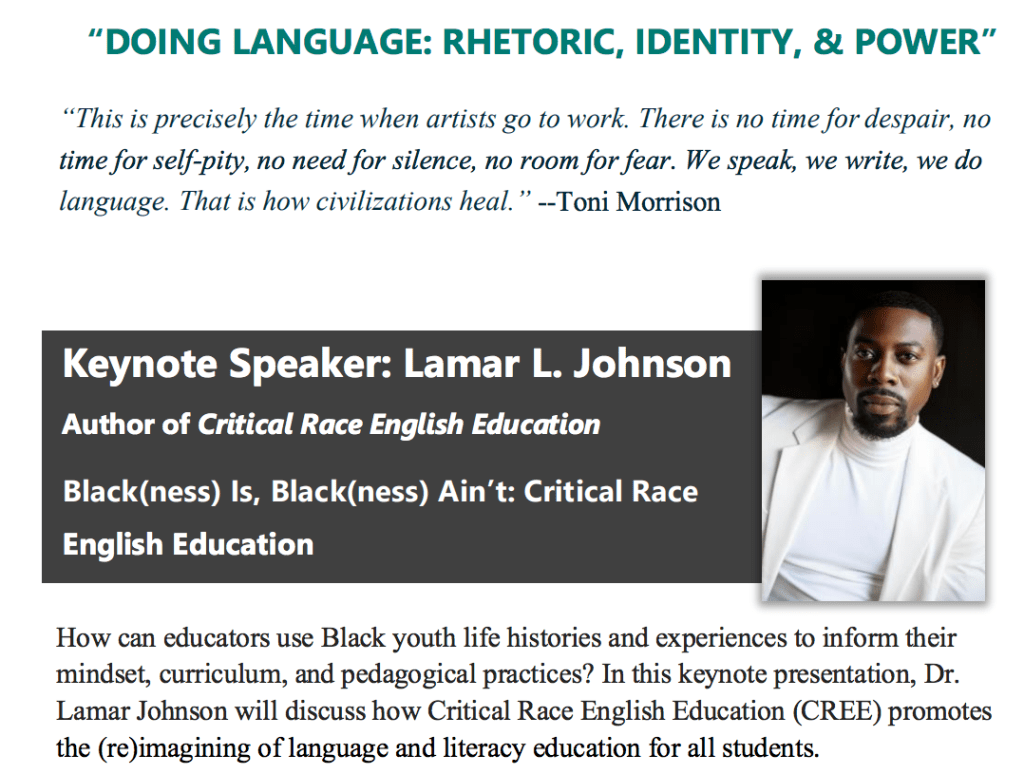
  • Lamar L. Johnson, author of Critical Race English Education
  • John Edlund, Professor Emeritus of Rhetoric and Founding Chair of the ERWC Task Force